

Introduction
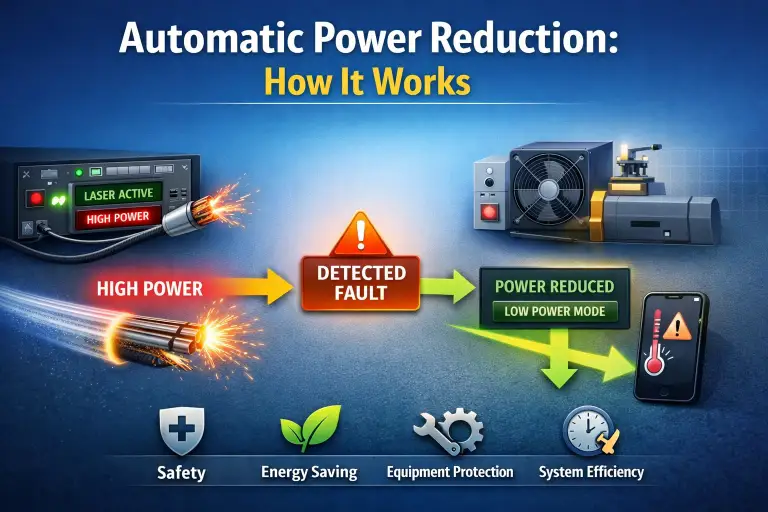
Automatic power reduction is a smart feature designed to keep systems safe, efficient, and reliable. It allows devices to automatically lower their power output when certain conditions are detected, such as overheating, faults, or reduced demand. Instead of relying on manual control, systems equipped with this function can instantly respond to changing conditions.
In modern technology, automatic power reduction is widely used in fiber optic networks, electrical systems, industrial machines, and even consumer electronics. It not only protects equipment but also helps save energy and prevent potential hazards. Understanding how it works can give you a clearer picture of why it is so important in today’s connected world.
What Is Automatic Power Reduction?
Automatic power reduction is a built-in control mechanism that reduces the output power of a system automatically when predefined conditions are met. These conditions are usually related to safety, performance, or energy efficiency.
For example, in a fiber optic system, if a cable is disconnected, the system may reduce laser power to prevent harmful exposure. In electrical equipment, power may be reduced when overheating is detected to avoid damage.
This feature is commonly found in systems that require continuous monitoring and quick response, ensuring that everything runs smoothly without human intervention.
How Automatic Power Reduction Works
Monitoring System Conditions
The process begins with sensors and monitoring tools. These components constantly track key parameters such as temperature, load, signal strength, and system stability.
For instance, temperature sensors can detect overheating, while optical sensors can detect a break in a fiber cable. The system continuously analyzes this data in real time.
Detecting Abnormal Situations
When the system detects something unusual, such as excessive heat or a sudden drop in signal, it triggers the next step. These abnormal conditions are usually defined in advance through system settings or standards.
Examples of such conditions include:
- Overheating components
- Cable disconnection
- Voltage fluctuations
- Overload or underload situations
Once any of these conditions are identified, the system prepares to take action.
Reducing Power Output
After detection, the system automatically reduces its power output to a safer level. This happens instantly and does not require manual input.
The reduction may be partial or significant depending on the severity of the issue. In some cases, the system may switch to a standby mode instead of shutting down completely.
Restoring Normal Operation
Once the issue is resolved, the system gradually restores power back to its normal level. This ensures a smooth transition and prevents sudden stress on the equipment.
For example, if a device cools down after overheating, the system will slowly increase power to maintain stability.
Where Automatic Power Reduction Is Used
Automatic power reduction is used across many industries and technologies. Its role is essential in maintaining safety and efficiency.
Fiber Optic Communication Systems
In optical networks, high-power lasers are used to transmit data. If a fiber cable is cut or disconnected, automatic power reduction lowers the laser output to prevent eye hazards.
This is especially important in long-distance communication systems where signal strength is high.
Electrical and Power Systems
In electrical systems, automatic power reduction helps prevent overload and overheating. For example, transformers and power supplies may reduce output when they detect excessive load.
This protects both the system and connected devices.
Industrial Machines
Factories and industrial setups rely heavily on machines that operate under high power. Automatic power reduction ensures these machines do not get damaged during abnormal conditions.
It also improves operational efficiency by adjusting power based on workload.
Consumer Electronics
Even everyday devices like laptops, smartphones, and air conditioners use similar concepts. When a device overheats, it reduces performance or power usage to cool down.
This helps extend the device’s lifespan and maintain safe operation.
Benefits of Automatic Power Reduction
Automatic power reduction offers several practical advantages that make it essential in modern systems.
Improved Safety
One of the biggest benefits is enhanced safety. By reducing power during risky situations, it prevents accidents, injuries, and equipment damage.
Energy Efficiency
It helps conserve energy by lowering power when full output is not required. This leads to reduced electricity consumption and lower costs.
Longer Equipment Life
Reducing stress on components helps extend the lifespan of devices. Systems that operate within safe limits tend to last longer and perform better.
Reduced Maintenance Costs
Since the system protects itself from damage, the need for repairs and maintenance is minimized. This saves both time and money.
Real-Life Example of Automatic Power Reduction
Imagine a data center using high-speed fiber optic cables. If one of the cables gets disconnected during maintenance, the system immediately detects the break.
Instead of continuing to send high-power signals, it activates automatic power reduction and lowers the laser output. This prevents any potential harm to technicians working nearby.
Once the cable is reconnected, the system restores normal power and resumes full operation.
This simple example shows how important this feature is in real-world scenarios.
Automatic Power Reduction vs Power Shutdown
It is important not to confuse automatic power reduction with a complete shutdown.
Automatic power reduction lowers power levels but keeps the system running, allowing it to recover quickly once conditions improve. On the other hand, a shutdown completely stops the system.
Power reduction is often preferred because it avoids interruptions while still maintaining safety.
Key Takeaways
- Automatic power reduction is a system that lowers power output automatically when needed
- It works through monitoring, detection, and response mechanisms
- It is widely used in fiber optics, electrical systems, and consumer devices
- It improves safety, efficiency, and equipment lifespan
- Unlike shutdown, it allows systems to continue operating at reduced power
Frequently Asked Questions (FAQs)
What is automatic power reduction in simple terms?
It means a device reduces its power by itself when it detects a problem or does not need full power.
Why is automatic power reduction important?
It protects equipment, improves safety, and saves energy by preventing unnecessary or harmful power usage.
Where is automatic power reduction commonly used?
It is used in fiber optic systems, electrical equipment, industrial machines, and everyday electronics.
Does automatic power reduction affect performance?
Yes, it may temporarily reduce performance, but it helps prevent damage and ensures long-term reliability.
Is automatic power reduction better than shutdown?
In many cases, yes. It allows the system to keep running safely instead of stopping completely.
Conclusion
Automatic power reduction is a crucial feature in modern technology that ensures systems remain safe, efficient, and reliable. By automatically adjusting power levels based on real-time conditions, it protects both equipment and users from potential risks.
As technology continues to evolve, features like automatic power reduction will become even more important. They not only improve performance but also support energy conservation and long-term sustainability.
Understanding how it works helps you appreciate the intelligence behind today’s systems and the role they play in making our lives safer and more efficient.