

Introduction
If you’re new to business analysis, marketing, or data organization, understanding business vertical classification categories is essential. These categories help organize companies based on the industries they operate in, making it easier to analyze markets, target customers, and build strategies.
Whether you’re running a startup, working in digital marketing, or managing data, knowing how business verticals work can give you a clear advantage. In this guide, you’ll learn what business vertical classification categories are, why they matter, and how to use them effectively in real-world scenarios.
What Are Business Vertical Classification Categories?
Business vertical classification categories are a way of grouping companies based on their industry or niche. Each “vertical” represents a specific market segment where businesses offer similar products or services.
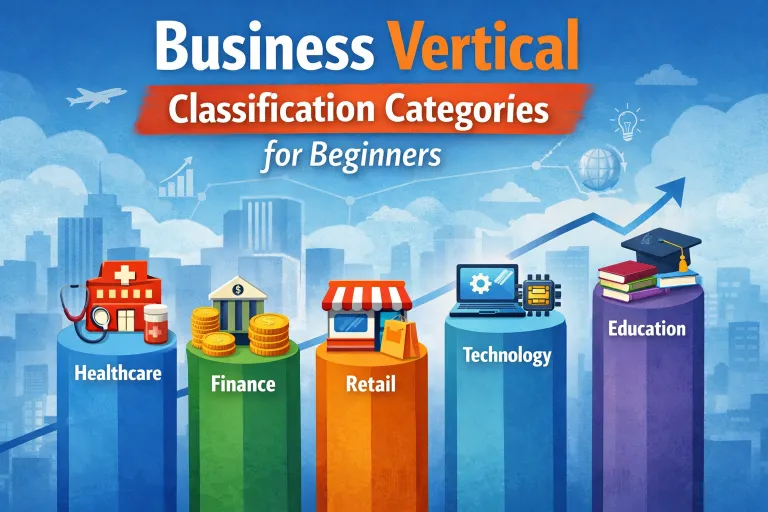
For example, companies in healthcare, finance, and retail all belong to different verticals. This classification helps professionals understand how industries are structured and how businesses operate within them.
Why “Vertical” Matters
The term “vertical” refers to a focused market segment. Unlike horizontal markets that serve a broad range of industries, vertical markets target a specific industry with tailored solutions.
For instance:
- A software company serving only hospitals operates in the healthcare vertical
- A company selling accounting tools works in the finance vertical
Why Business Vertical Classification Is Important
Understanding business vertical classification categories is not just theory—it has practical value in many areas.
Better Market Analysis
When businesses are grouped into verticals, it becomes easier to analyze trends, competition, and growth opportunities within a specific industry.
Improved Targeting
Marketers can create more relevant campaigns when they know which vertical they are targeting. For example, messaging for the education sector will differ from messaging for retail.
Data Organization
Businesses dealing with large datasets use vertical classification to organize and filter information efficiently.
Strategic Decision-Making
Companies use vertical insights to decide:
- Which markets to enter
- Which products to develop
- How to position their brand
Common Business Vertical Classification Categories
There are many industry categories, but some are more commonly used across global markets. Below are key business vertical classification categories you should know.
Healthcare
This vertical includes hospitals, clinics, pharmaceutical companies, and medical device manufacturers. It focuses on patient care, medical research, and health services.
Finance and Banking
This category covers banks, insurance companies, investment firms, and fintech startups. It deals with money management, loans, and financial services.
Retail and E-commerce
Retail includes both physical stores and online shops. E-commerce platforms, marketplaces, and consumer goods brands fall into this vertical.
Technology
The technology vertical includes software companies, hardware manufacturers, IT services, and startups focused on innovation.
Education
This vertical covers schools, universities, online learning platforms, and training institutes.
Manufacturing
Manufacturing businesses produce goods, from automobiles to electronics and textiles.
Real Estate
This includes property development, real estate agencies, and property management companies.
Hospitality and Travel
Hotels, airlines, travel agencies, and tourism services belong to this vertical.
Media and Entertainment
This category includes television, film, music, gaming, and digital content platforms.
How Business Vertical Classification Works
Business vertical classification categories are usually defined using standard systems. These systems ensure consistency across industries.
Industry Classification Systems
Some widely used systems include:
- NAICS (North American Industry Classification System)
- SIC (Standard Industrial Classification)
- GICS (Global Industry Classification Standard)
These frameworks assign codes to businesses based on their activities, making it easier to categorize and compare them globally.
Example of Classification
Let’s say a company sells clothing online:
- Vertical: Retail / E-commerce
- Sub-category: Apparel
- Target market: Consumers
This structured classification helps businesses and analysts quickly understand what the company does.
Vertical vs Horizontal Markets
Understanding the difference between vertical and horizontal markets is crucial when learning about business vertical classification categories.
Vertical Markets
Vertical markets focus on a specific industry.
Example:
- Software designed only for hospitals
Horizontal Markets
Horizontal markets serve multiple industries with general solutions.
Example:
- Email marketing software used by all types of businesses
Key Difference
Vertical markets are specialized, while horizontal markets are broad. Businesses often choose one approach based on their strategy.
Real-World Examples of Business Vertical Classification
To make this concept clearer, let’s look at some practical examples.
Example 1: SaaS Company
A SaaS company offering HR software can fall into:
- Vertical: Technology
- Sub-vertical: Human Resources Software
If it targets only healthcare organizations, it becomes part of a niche vertical.
Example 2: Food Delivery Platform
A food delivery app belongs to:
- Vertical: Hospitality / Food Services
- Sub-category: Online Delivery Platforms
Example 3: Online Learning Platform
An e-learning website fits into:
- Vertical: Education
- Sub-category: Digital Learning
These examples show how businesses can be classified in different ways depending on their focus.
Benefits of Using Business Vertical Classification Categories
Using structured classification provides several advantages.
Clear Business Positioning
Companies can clearly define where they belong in the market.
Better Competitor Analysis
Businesses can easily identify competitors within the same vertical.
Efficient Resource Allocation
Companies can allocate budgets and resources based on industry-specific needs.
Enhanced Customer Understanding
Understanding a vertical helps businesses better understand customer behavior and expectations.
Challenges in Business Vertical Classification
While useful, classification is not always straightforward.
Overlapping Industries
Some businesses operate across multiple verticals. For example, a tech company offering healthcare solutions fits into both technology and healthcare.
Rapid Industry Changes
New industries emerge quickly, especially in tech, making classification more complex.
Global Differences
Classification systems may vary by country, creating inconsistencies.
How to Choose the Right Vertical for Your Business
If you’re starting or scaling a business, choosing the right vertical is critical.
Identify Your Core Offering
Focus on what your product or service primarily does.
Understand Your Target Audience
Choose a vertical based on who your customers are.
Analyze Market Demand
Research whether the vertical has growth potential.
Consider Competition
Highly competitive verticals may require stronger differentiation.
Key Takeaways
- Business vertical classification categories group companies by industry or niche
- They help in market analysis, targeting, and strategic planning
- Common verticals include healthcare, finance, retail, and technology
- Classification systems like NAICS and SIC standardize industry grouping
- Choosing the right vertical can impact business success significantly
FAQs
What are business vertical classification categories?
They are systems used to group businesses based on their industry or market segment, such as healthcare, finance, or retail.
Why are business verticals important?
They help businesses understand their market, target customers more effectively, and make better strategic decisions.
Can a business belong to multiple verticals?
Yes, some businesses operate across multiple industries, especially in technology and digital services.
What is the difference between vertical and horizontal markets?
Vertical markets focus on a specific industry, while horizontal markets serve multiple industries with general solutions.
How do I find my business vertical?
Look at your core product or service and identify the primary industry it serves.
Are business verticals the same worldwide?
Not always. Different countries may use different classification systems, but the general concept remains the same.
Conclusion
Understanding business vertical classification categories is a foundational skill for anyone involved in business, marketing, or data analysis. It helps you see where a company fits in the larger market and how it competes within its industry.
As industries continue to evolve, the ability to classify and understand business verticals becomes even more valuable. Whether you’re building a business, analyzing competitors, or planning marketing strategies, mastering this concept will give you clarity and direction.