

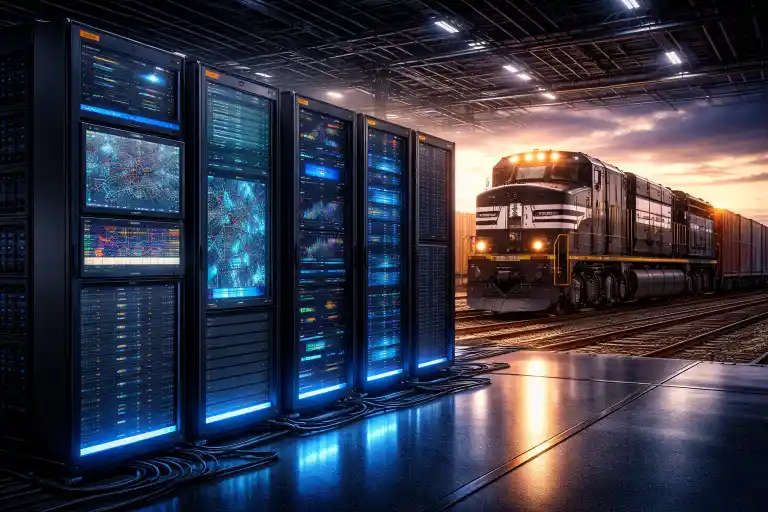
Railroad companies rely on complex technology to manage trains, cargo, schedules, and safety systems. One important technology used by major rail companies is the mainframe computer system. The Norfolk Southern mainframe is an example of how powerful computing systems support large-scale transportation networks.
Norfolk Southern is one of the largest freight railroad companies in the United States. It operates thousands of miles of rail tracks and transports millions of tons of cargo every year. To manage such a massive network, the company uses advanced computer systems, including mainframe technology.
In this article, we will explore what the Norfolk Southern mainframe is, how it works, and why mainframe systems remain critical for railway operations.
What Is a Mainframe Computer?
A mainframe is a powerful computer designed to process large amounts of data quickly and reliably. Unlike personal computers, mainframes can handle thousands of users and applications at the same time.
Mainframe systems are often used by large organizations such as:
- Banks
- Airlines
- Government agencies
- Insurance companies
- Transportation companies
These systems are known for their stability, security, and ability to run critical operations without interruption.
Overview of Norfolk Southern
Norfolk Southern is a major freight railroad company headquartered in the United States. It operates a large rail network that connects ports, manufacturing centers, and distribution hubs across many states.
The company transports many types of goods, including:
- Coal
- Automotive parts
- Agricultural products
- Chemicals
- Consumer goods
- Construction materials
Managing such a complex transportation system requires reliable computing infrastructure, which is where the Norfolk Southern mainframe plays an important role.
Role of the Norfolk Southern Mainframe
The mainframe system helps coordinate and manage different parts of the railway network. It processes huge amounts of data related to trains, cargo, scheduling, and logistics.
Train Scheduling and Dispatching
One of the most important tasks is coordinating train schedules.
The system helps:
- Track train locations
- Plan routes
- Manage rail traffic
- Prevent scheduling conflicts
This ensures trains move safely and efficiently across the network.
Freight Management
Freight trains carry thousands of shipments every day. The mainframe helps manage shipping information and cargo tracking.
It stores details such as:
- Cargo type
- Shipping origin and destination
- Delivery timelines
- Customer information
Data Processing
Railroad operations generate large amounts of data. Mainframe systems are designed to process this data quickly.
This includes:
- Train performance data
- Maintenance records
- Logistics information
- Operational reports
Safety Monitoring
Railway safety depends on constant monitoring of equipment and train movement. The mainframe supports systems that help detect potential problems and maintain safe operations.
Why Railroads Still Use Mainframes
Even though many modern systems use cloud computing, mainframes are still widely used by large companies. There are several reasons why railroads continue to rely on them.
High Reliability
Railroad systems must operate 24 hours a day. Mainframes are designed to run continuously with very little downtime.
Large Data Capacity
Freight networks generate enormous amounts of data. Mainframes can handle this workload efficiently.
Security
Transportation infrastructure requires strong cybersecurity protections. Mainframes provide secure environments for processing sensitive data.
Scalability
As the rail network grows, the system can support additional users and applications without losing performance.
Technology Behind the System
Mainframe systems used in transportation typically combine several technologies.
Database Management
Large databases store operational information such as cargo records, schedules, and customer data.
Transaction Processing
Mainframes process thousands of transactions every second, such as shipment updates and logistics changes.
Integration with Other Systems
The mainframe connects with other technologies used by the railway, including:
- Train control systems
- Logistics software
- Customer service platforms
- Mobile tracking applications
This integration allows different departments to access and update information in real time.
Modernization of Railroad Technology
Many railroad companies are modernizing their technology while still maintaining their mainframe systems. Instead of replacing them completely, companies integrate new digital tools with existing infrastructure.
Cloud Integration
Some systems combine cloud computing with mainframe processing to improve flexibility and data access.
Advanced Analytics
Railroads are using data analytics to predict maintenance needs and improve operational efficiency.
Automation
Automation tools help reduce manual tasks and improve operational accuracy.
Artificial Intelligence
AI technologies are being used to analyze operational data and optimize logistics planning.
Benefits of Mainframe Systems in Transportation
Mainframe technology offers several advantages for transportation companies.
- Handles massive operational data efficiently
- Supports thousands of simultaneous users
- Provides reliable performance for critical systems
- Ensures secure data management
- Reduces risk of system downtime
These advantages make mainframes suitable for large-scale logistics networks like railroads.
Challenges and Future Developments
Although mainframes remain important, companies face challenges when maintaining legacy systems.
Skills Gap
Fewer professionals specialize in mainframe technology today. Companies must train new engineers to manage these systems.
System Integration
Integrating older mainframe systems with modern technologies can be complex.
Cost Management
Maintaining large computing systems requires significant investment.
However, many companies continue to update their mainframe infrastructure rather than replacing it completely.
FAQ
What is the Norfolk Southern mainframe?
It refers to the powerful computer systems used by Norfolk Southern to manage railway operations, logistics, and data processing.
Why do railroads use mainframe computers?
Railroads rely on mainframes because they are reliable, secure, and capable of processing massive amounts of operational data.
Are mainframes outdated technology?
No. Many large organizations still use mainframes because they are extremely stable and efficient for large-scale data processing.
What tasks does the Norfolk Southern mainframe handle?
It supports train scheduling, freight tracking, logistics management, data processing, and safety monitoring.
Will railroads replace mainframes in the future?
Most companies are modernizing their systems by integrating new technologies with existing mainframes rather than replacing them completely.
Conclusion
The Norfolk Southern mainframe plays a crucial role in managing one of the largest freight rail networks in the United States. By processing massive amounts of data and supporting critical operations, the system helps ensure that trains move efficiently and safely across thousands of miles of track.
Despite the rise of modern technologies such as cloud computing and artificial intelligence, mainframe systems continue to provide unmatched reliability for large-scale transportation infrastructure. As railroads adopt new digital tools, these systems will likely remain an important part of the technology that powers global logistics.
Understanding how these systems work highlights the importance of advanced computing in modern transportation. From scheduling trains to managing cargo shipments, mainframe technology helps keep the railroad industry running smoothly every day.