

Introduction
Residential plumbing is something most homeowners don’t think about—until something goes wrong. Whether it’s a leaking pipe, low water pressure, or a clogged drain, plumbing issues can quickly disrupt your daily routine. Understanding how residential plumbing works can help you prevent costly repairs, save water, and keep your home running smoothly.
In this guide, you’ll learn how home plumbing systems function, common problems to watch for, and practical maintenance tips that anyone can follow.
What Is Residential Plumbing?
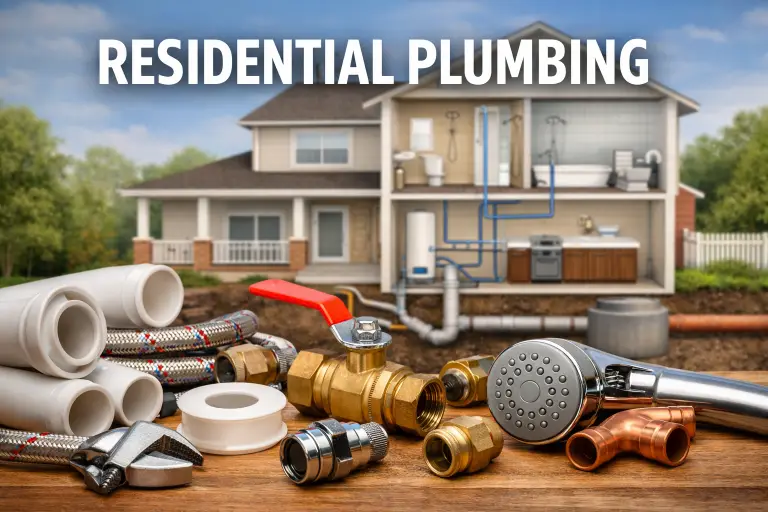
Residential plumbing refers to the system of pipes, fixtures, and fittings installed in homes to deliver clean water and remove wastewater. It includes everything from your kitchen sink and bathroom fixtures to water heaters and drainage systems.
At its core, residential plumbing has two main purposes:
- Supplying fresh water to your home
- Removing wastewater safely and efficiently
These systems are designed to work quietly in the background, but when something fails, it becomes immediately noticeable.
How Residential Plumbing Systems Work
Understanding the basics of residential plumbing can make troubleshooting easier. Your home’s plumbing system is typically divided into two main subsystems.
Water Supply System
This system brings clean water into your home under pressure. It allows water to travel upward and reach every faucet, shower, and appliance.
Water enters your home through a main supply line and is distributed through smaller pipes. Valves control the flow, and meters track usage.
Drainage System
Unlike the supply system, the drainage system does not rely on pressure. Instead, it uses gravity to carry wastewater away.
Every fixture in your home connects to a drainpipe, which leads to either a sewer line or a septic system. Vent pipes are also part of this system and help regulate air pressure, ensuring smooth drainage.
Key Components of Residential Plumbing
A residential plumbing system is made up of several essential components working together.
Pipes and Fittings
Pipes are the backbone of your plumbing system. Common materials include PVC, copper, and PEX. Each has its own advantages in terms of durability and cost.
Fittings connect pipes and direct water flow. Proper installation is critical to avoid leaks.
Fixtures
Fixtures include sinks, toilets, bathtubs, and showers. These are the visible parts of residential plumbing that you use daily.
Water Heater
The water heater provides hot water for bathing, cleaning, and cooking. It can be tank-based or tankless, depending on your home’s setup.
Valves
Valves control water flow throughout your home. The main shut-off valve is especially important during emergencies.
Common Residential Plumbing Problems
Even a well-maintained system can develop issues over time. Knowing the most common problems can help you act quickly.
Leaky Faucets
A dripping faucet may seem minor, but it can waste a significant amount of water over time. Usually, it’s caused by worn-out washers or seals.
Clogged Drains
Hair, grease, soap, and food particles often build up in drains. This leads to slow drainage or complete blockages.
Low Water Pressure
Low pressure can make everyday tasks frustrating. It may be caused by pipe corrosion, leaks, or sediment buildup.
Running Toilets
A running toilet can waste hundreds of liters of water daily. Faulty flappers or fill valves are usually the cause.
Pipe Leaks
Leaks can occur due to aging pipes, high pressure, or poor installation. If left untreated, they can cause structural damage.
Preventive Maintenance Tips for Home Plumbing
Regular maintenance can extend the life of your residential plumbing system and reduce repair costs.
Inspect Regularly
Check for visible leaks under sinks, around toilets, and near appliances. Early detection can prevent bigger problems.
Avoid Drain Clogs
Be mindful of what goes down your drains. Avoid pouring grease, coffee grounds, or food scraps into the sink.
Maintain Water Pressure
High water pressure can damage pipes over time. Installing a pressure regulator can help keep levels safe.
Flush Your Water Heater
Sediment buildup in the water heater can reduce efficiency. Flushing it once a year helps maintain performance.
Know Your Shut-Off Valve
In emergencies, shutting off the water quickly can minimize damage. Make sure you know where your main valve is located.
When to Call a Professional Plumber
While some issues can be handled with basic tools, others require professional expertise.
Signs You Need Help
- Persistent leaks that don’t stop
- Water discoloration or unusual odors
- Frequent drain clogs
- Sudden drop in water pressure
- Burst pipes or flooding
A licensed plumber has the experience and equipment to diagnose and fix complex problems safely.
Modern Trends in Residential Plumbing
Residential plumbing has evolved significantly in recent years. New technologies focus on efficiency, sustainability, and convenience.
Smart Plumbing Systems
Smart leak detectors and water monitoring systems can alert homeowners in real time. This helps prevent major water damage.
Water-Efficient Fixtures
Low-flow toilets, faucets, and showerheads reduce water usage without sacrificing performance.
Tankless Water Heaters
Tankless systems heat water on demand, saving energy and providing a continuous supply of hot water.
Cost of Residential Plumbing Services
The cost of plumbing services varies depending on the issue and location. Minor repairs like fixing a faucet are relatively affordable, while major work such as pipe replacement can be expensive.
Factors that affect cost include:
- Type of problem
- Materials needed
- Labor complexity
- Emergency service requirements
Investing in regular maintenance can help avoid high repair costs in the future.
Choosing the Right Plumbing Materials
Selecting the right materials is important for durability and performance.
Copper Pipes
Copper is strong and long-lasting but can be expensive.
PVC Pipes
PVC is affordable and commonly used for drainage systems.
PEX Pipes
PEX is flexible, easy to install, and resistant to corrosion, making it popular in modern homes.
Each material has its pros and cons, so choosing the right one depends on your specific needs.
Environmental Impact of Residential Plumbing
Water conservation is becoming increasingly important. Residential plumbing plays a major role in reducing environmental impact.
Using efficient fixtures, fixing leaks promptly, and upgrading outdated systems can significantly lower water usage.
Homeowners who adopt eco-friendly plumbing solutions not only save money but also contribute to environmental sustainability.
FAQs About Residential Plumbing
What is included in residential plumbing?
Residential plumbing includes all pipes, fixtures, water heaters, and drainage systems that supply and remove water in a home.
How often should plumbing be inspected?
It’s recommended to inspect your plumbing system at least once a year to catch issues early.
Why is my water pressure suddenly low?
Low water pressure can be caused by leaks, clogged pipes, or problems with the main supply line.
Can I fix plumbing issues myself?
Minor issues like unclogging drains or replacing washers can be handled at home, but major problems should be left to professionals.
How long do plumbing pipes last?
The lifespan depends on the material. Copper pipes can last 50+ years, while PVC and PEX may last 25–50 years.
What are the signs of hidden leaks?
Common signs include increased water bills, damp walls, mold growth, and musty odors.
Conclusion
Residential plumbing is a critical part of every home, even though it often goes unnoticed. By understanding how your plumbing system works and taking simple preventive steps, you can avoid many common issues and extend the life of your system.
Regular inspections, mindful usage, and timely repairs go a long way in keeping everything running smoothly. And when problems become complex, don’t hesitate to call a professional. A well-maintained plumbing system not only ensures comfort but also protects your home and saves money in the long run.