

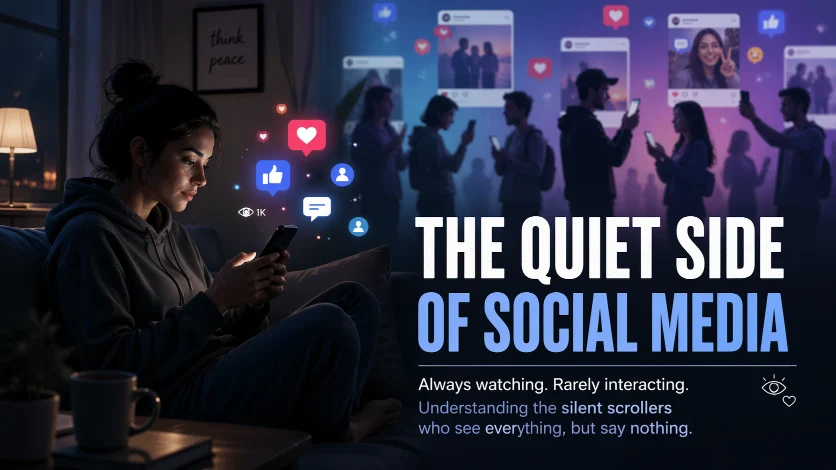
In today’s hyper-connected world, social media often feels loud—filled with posts, comments, reactions, and constant updates. Yet behind all this visible activity exists a much larger, quieter group of users who rarely interact publicly. These individuals are known as silent scrollers.
Understanding social media silent scroller traits reveals an entirely different layer of digital behavior—one driven by observation, privacy, and thoughtful consumption rather than expression. While they may seem inactive on the surface, silent scrollers play a significant role in shaping online trends, engagement patterns, and even content success.
This article explores who silent scrollers are, their defining traits, and the deeper behavioral factors that make them such an important part of the social media ecosystem.
Who Are Silent Scrollers?
Silent scrollers are users who actively consume content on social media platforms but rarely engage through likes, comments, or posts. They are present, informed, and often highly aware—but they choose to remain in the background.
Unlike inactive users, silent scrollers are highly engaged internally. They follow updates, watch stories, read captions, and stay updated with trends—just without leaving visible footprints.
Core Social Media Silent Scroller Traits
1. Observational Behavior
One of the most defining social media silent scroller traits is strong observational behavior. These users prefer watching over participating. They analyze content, people, and trends without actively contributing to discussions.
They often notice details that active users overlook, making them highly perceptive digital observers.
2. Preference for Privacy
Silent scrollers tend to value their personal space. They avoid drawing attention to themselves and prefer not to share opinions publicly. For them, social media is more of a private experience than a public stage.
This doesn’t necessarily mean they are shy—it often reflects a conscious choice to control their digital presence.
3. Selective Engagement
While they rarely interact publicly, silent scrollers are not completely disengaged. They may:
- Save posts
- Share content privately
- Send links to friends
- React through direct messages
Their engagement is simply less visible but still meaningful.
4. High Content Consumption
Silent scrollers consume a large amount of content daily. From short videos to long threads, they absorb information across multiple formats.
Interestingly, they often have a deeper understanding of trends because they spend more time consuming than producing.
5. Low Desire for Validation
Unlike active users who may seek likes, comments, or recognition, silent scrollers are less driven by social validation. They are comfortable engaging with content internally rather than externally.
This independence shapes many of their online habits.
6. Analytical Thinking
Another important social media silent scroller trait is analytical thinking. They often evaluate content critically—questioning authenticity, comparing perspectives, and forming opinions without expressing them openly.
Why Do People Become Silent Scrollers?
Digital Overload
The constant flood of content can overwhelm users. Silent scrolling becomes a way to stay informed without contributing to the noise.
Fear of Judgment
Many users avoid posting or commenting due to fear of criticism or misunderstanding. Remaining silent feels safer and more controlled.
Time Efficiency
Engaging publicly requires effort—thinking of replies, crafting posts, and managing interactions. Silent scrolling allows users to consume content quickly without added responsibility.
Habit Formation
Over time, passive consumption becomes a habit. Users get comfortable observing rather than interacting.
The Hidden Influence of Silent Scrollers
Despite their quiet presence, silent scrollers have a powerful impact on social media platforms.
They Drive Views and Reach
Even without likes or comments, their views contribute to content visibility and algorithm performance.
They Shape Trends Silently
By consistently watching certain types of content, they indirectly influence what becomes popular.
They Are Key Audience Segments
For brands and creators, silent scrollers represent a large portion of the audience. Understanding their behavior is crucial for effective content strategy.
Digital Behavior Patterns of Silent Scrollers
Silent scrollers often follow predictable patterns:
- They scroll during breaks, before sleep, or in idle moments
- They prefer short-form, easy-to-consume content
- They revisit profiles without interacting
- They rarely post personal updates
These patterns highlight that their activity is intentional, not random.
Emotional and Cognitive Factors
Curiosity Without Exposure
Silent scrollers are highly curious. They want to know what’s happening but don’t feel the need to participate in discussions.
Emotional Distance
They maintain a level of emotional distance from social media interactions, which helps them avoid stress and drama.
Control Over Identity
By not posting or commenting, they maintain full control over how they are perceived—or not perceived—online.
Silent Scrolling vs Active Engagement
The difference between silent scrollers and active users is not about interest—it’s about expression.
- Active users express thoughts openly
- Silent scrollers process information internally
Both types of users are equally engaged, just in different ways.
Are Silent Scrollers Missing Out?
Not necessarily. Silent scrollers often gain:
- More focused content consumption
- Less exposure to online conflicts
- Better control over time and attention
However, they may miss opportunities for networking, visibility, and community building.
How Content Creators Can Reach Silent Scrollers
To connect with silent scrollers, creators should focus on:
- Clear and valuable content
- Strong visuals and storytelling
- Relatable topics
- Easy-to-understand formats
Since silent scrollers rarely interact, content must be engaging enough to hold attention without requiring action.
The Future of Silent Scrolling
As social media evolves, silent scrolling is becoming more common. With increasing awareness about privacy, mental health, and digital boundaries, more users are choosing passive engagement.
This shift suggests that the quiet side of social media is not just a trend—it’s a growing behavioral pattern.
Key Takeaways
- Social media silent scroller traits include observation, privacy, and selective engagement
- Silent scrollers consume content actively but interact minimally
- They are driven by habits, efficiency, and emotional control
- Despite being quiet, they significantly impact trends and reach
- Understanding silent scrollers is essential for modern content strategies
FAQ’s
What are social media silent scroller traits?
They are behavioral characteristics of users who consume content without actively engaging through likes, comments, or posts.
Are silent scrollers inactive users?
No, they are often highly active in consuming content but choose not to interact publicly.
Why do people prefer silent scrolling?
Common reasons include privacy concerns, fear of judgment, and the desire for a low-effort browsing experience.
Do silent scrollers affect social media algorithms?
Yes, their views and watch time contribute to content performance and visibility.
Is silent scrolling a bad habit?
Not necessarily. It can be a balanced way to consume content without the pressure of interaction, but excessive scrolling may affect productivity.
Conclusion
The concept of social media silent scroller traits highlights a powerful yet often overlooked group of users who shape the digital landscape quietly. They may not comment, like, or post—but they observe, analyze, and engage in their own way.
As social media continues to evolve, understanding silent scrollers becomes increasingly important. They represent a shift toward more mindful, controlled, and private digital behavior.
In a world where everyone seems to be speaking, silent scrollers remind us that sometimes, simply watching is just as impactful.