

Introduction
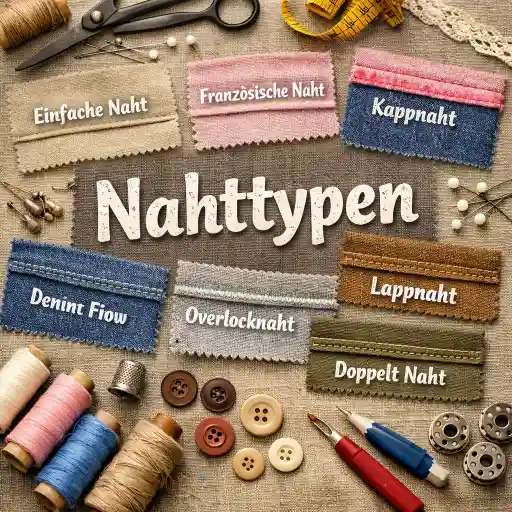
In sewing, seams are one of the most important elements that hold fabric pieces together. Different projects require different seam types, and choosing the right one can improve both the durability and appearance of a garment. This is where Nahttypen become important.
The word Nahttypen comes from German and simply means “types of seams.” Whether you are making clothing, home decor, or craft projects, understanding different seam types helps you achieve professional results.
In this guide, we will explore the most common seam types, when to use them, and why they matter in sewing.
What Are Nahttypen?
Nahttypen refer to the different ways fabric pieces are stitched together in sewing. Each seam type has a specific function, such as providing strength, flexibility, or decorative detail.
Different seam types are used depending on:
- Fabric type
- Clothing style
- Strength requirements
- Appearance and finishing
Choosing the correct seam ensures that your project lasts longer and looks neat.
Why Understanding Seam Types Is Important
Learning about different seam types provides several benefits:
- Improves garment durability
- Creates a cleaner and more professional finish
- Prevents fabric fraying
- Helps manage different fabric thicknesses
- Adds decorative details to clothing
For beginners and experienced sewists alike, understanding seam types is a key skill.
Common Nahttypen Used in Sewing
Below are the most widely used seam types in sewing projects.
Plain Seam
The plain seam is the most basic and commonly used seam in sewing. It joins two pieces of fabric together with a simple stitch line.
Features
- Easy to sew
- Used in most garments
- Suitable for beginners
How it works
Two fabric pieces are placed right sides together, then stitched along the seam allowance.
Common uses
- Dresses
- Shirts
- Skirts
- Pants
This seam is often finished with zigzag stitching or overlocking to prevent fraying.
French Seam
The French seam is a clean and elegant seam that hides raw fabric edges inside the seam itself.
Advantages
- Very neat finish
- Prevents fraying
- Ideal for lightweight fabrics
Best fabrics
- Silk
- Chiffon
- Lightweight cotton
French seams are commonly used in delicate garments where appearance is important.
Flat-Felled Seam
The flat-felled seam is a strong and durable seam used in heavy-duty garments.
Key characteristics
- Raw edges are enclosed
- Extremely strong
- Creates a flat and neat finish
Where it is used
- Denim jeans
- Workwear
- Shirts
You can easily recognize this seam on the sides of jeans.
Bound Seam
In a bound seam, the raw fabric edges are covered with binding tape.
Benefits
- Decorative finish
- Protects fabric edges
- Adds strength
Binding can be made from bias tape or other fabric strips.
Typical uses
- Jackets
- Unlined garments
- Decorative sewing projects
Overlocked Seam
An overlocked seam is created using a serger or overlock machine.
Advantages
- Prevents fraying
- Quick and efficient
- Suitable for stretch fabrics
Common uses
- T-shirts
- Knit garments
- Sportswear
This seam is widely used in modern garment production.
Lapped Seam
A lapped seam is made by overlapping two fabric pieces and stitching them together.
Features
- Strong seam structure
- Good for thick materials
Used in
- Leather garments
- Upholstery
- Industrial sewing
Double-Stitched Seam
The double-stitched seam is reinforced with two rows of stitching.
Benefits
- Extra durability
- Prevents seam breakage
- Ideal for stress areas
Common applications
- Pants
- Bags
- Workwear
How to Choose the Right Seam Type
Selecting the right seam type depends on several factors.
Fabric Type
Light fabrics require delicate seams, while heavy fabrics need stronger seam types.
Examples:
- Lightweight fabrics → French seam
- Heavy fabrics → Flat-felled seam
Garment Style
Different clothing designs require different seam finishes.
For example:
- Formal clothing → clean seams
- Casual clothing → stronger seams
Durability Requirements
Garments that experience more stress need stronger seam types.
Examples include:
- Jeans
- Workwear
- Bags
Tips for Sewing Better Seams
Even when using the correct seam type, proper technique is important.
Follow these tips for better sewing results:
- Always use the correct seam allowance
- Press seams with an iron after sewing
- Use sharp sewing needles
- Match thread type with fabric
- Finish raw edges to prevent fraying
These small steps can greatly improve the quality of your sewing projects.
Mistakes to Avoid When Sewing Seams
Beginners often make a few common mistakes.
Avoid these problems:
- Using the wrong seam type for the fabric
- Skipping seam finishing
- Not pressing seams
- Sewing with incorrect tension
- Ignoring seam allowance
Fixing these issues will make your sewing projects look much more professional.
The Importance of Seam Finishing
Seam finishing helps protect fabric edges and improves durability.
Popular seam finishing techniques include:
- Zigzag stitch
- Overlocking
- Bias binding
- Pinking shears
These techniques keep garments looking neat and long-lasting.
Frequently Asked Questions
What does Nahttypen mean?
Nahttypen is a German word that means “types of seams.” It refers to the different ways fabrics are stitched together in sewing.
Which seam type is strongest?
The flat-felled seam is considered one of the strongest seam types because it encloses fabric edges and uses multiple stitching lines.
Which seam is best for delicate fabrics?
The French seam is ideal for delicate fabrics because it hides raw edges and creates a clean finish.
Do beginners need to learn all seam types?
Beginners should start with the plain seam and gradually learn other seam types as their sewing skills improve.
What seam is used in jeans?
Jeans usually use a flat-felled seam because it provides excellent strength and durability.
Conclusion
Understanding different seam types is essential for anyone interested in sewing. From simple plain seams to durable flat-felled seams, each seam type has its own purpose and advantages.
By learning about these sewing techniques, you can improve the strength, appearance, and quality of your sewing projects. Whether you are making clothes, home decor, or crafts, choosing the right seam type will help you achieve professional results.
As you continue sewing, practicing different seam types will expand your skills and allow you to create more complex and beautiful projects.