

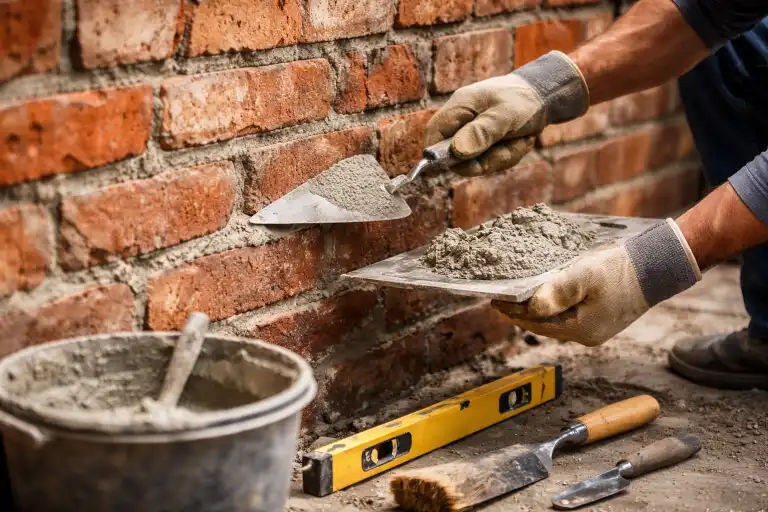
In construction and masonry work, many specialized techniques are used to ensure buildings are strong, durable, and visually appealing. One of these techniques is speciering. Although it may not be a widely known term outside construction circles, it plays an important role in finishing and maintaining structures.
Speciering is commonly related to masonry and surface finishing processes that involve applying or repairing mortar or plaster between bricks, stones, or other construction materials. This process helps improve the strength, durability, and appearance of walls.
In this guide, you will learn what speciering means, how it is used in construction, its benefits, techniques, and why it is important in modern building projects.
What Is Speciering?
Speciering is a construction technique that involves applying mortar or a similar mixture between bricks or masonry joints. The purpose of this process is to strengthen the structure, seal gaps, and improve the visual appearance of the wall or surface.
In many cases, speciering is used when repairing older buildings where the mortar between bricks has deteriorated over time.
The process typically involves removing damaged mortar and replacing it with fresh material. This helps restore the structural stability of the wall.
Why Speciering Is Important in Construction
Construction projects rely heavily on proper finishing and maintenance. Speciering is important because it helps ensure that walls and masonry structures remain strong and protected.
Structural stability
Mortar between bricks helps hold the entire structure together. When it becomes damaged or weak, the building can lose stability. Replacing the mortar helps restore strength.
Weather protection
Gaps between bricks allow water and moisture to enter the structure. This can cause long-term damage. Proper mortar application helps seal these gaps.
Improved appearance
Fresh mortar lines can make a wall look clean and well maintained. This is especially important for visible brickwork.
Increased durability
Regular maintenance using techniques like speciering helps buildings last longer.
Common Situations Where Speciering Is Used
This technique is used in many types of construction and renovation projects.
Building restoration
Older buildings often require repairs to their masonry. Speciering is commonly used to restore historical structures.
Wall repairs
When cracks appear between bricks or stones, repairing the joints helps prevent further damage.
Exterior masonry maintenance
Outdoor walls are exposed to weather conditions such as rain, heat, and cold. Over time, mortar can weaken and require replacement.
Renovation projects
During renovations, contractors may improve the appearance and durability of existing walls.
Materials Used in Speciering
Several materials are commonly used during the speciering process.
Mortar mixture
Mortar is the primary material used for filling gaps between bricks.
It usually contains:
- cement
- sand
- water
- lime (in some mixtures)
The exact mixture depends on the type of structure and the strength required.
Masonry tools
Workers use different tools to apply mortar accurately.
Common tools include:
- pointing trowel
- jointing tool
- mortar board
- brush for cleaning joints
These tools help create smooth and consistent mortar lines.
The Speciering Process Step by Step
The process usually follows several important steps to ensure the best results.
1. Inspect the wall
The first step is identifying areas where the mortar has deteriorated or cracked.
2. Remove damaged mortar
Old mortar is carefully removed using specialized tools. This step creates space for the new material.
3. Clean the joints
Dust and debris must be removed before applying new mortar. Clean joints allow better bonding.
4. Apply new mortar
Fresh mortar is pressed into the joints using a trowel.
5. Shape and smooth the joints
Special tools are used to shape the mortar lines. This improves both strength and appearance.
6. Allow the mortar to cure
The wall must be left undisturbed so the mortar can harden properly.
Benefits of Proper Speciering
Using the correct techniques provides several long-term advantages.
Stronger walls
Replacing damaged mortar helps restore the structural integrity of the wall.
Better weather resistance
Properly filled joints prevent water from entering the structure.
Improved visual appeal
Clean mortar lines create a neat and professional appearance.
Extended building lifespan
Regular maintenance can significantly increase the life of a structure.
Types of Masonry Joint Finishes
During the speciering process, different joint styles can be used depending on the desired appearance.
Flush joints
The mortar is finished flush with the surface of the bricks.
Concave joints
A curved tool is used to create a concave shape. This style improves water resistance.
V-shaped joints
These joints create a decorative appearance while also improving strength.
Raked joints
In this style, the mortar is slightly recessed from the surface of the brick.
Each joint style has both aesthetic and functional advantages.
Common Mistakes to Avoid
Improper masonry repair can cause additional damage. Avoid these common mistakes.
Using the wrong mortar mixture
Different types of bricks require specific mortar compositions. Using the wrong mixture can weaken the structure.
Skipping cleaning steps
Dust and debris prevent proper bonding between old and new materials.
Applying mortar too quickly
Mortar must be applied carefully to ensure strong joints.
Ignoring curing time
Fresh mortar needs time to harden properly. Rushing the process can reduce durability.
Speciering in Modern Construction
Although the basic technique has existed for centuries, modern construction methods have improved the process.
Today, professionals use improved materials and tools that provide stronger bonding and better durability.
Technology has also helped contractors analyze building structures and determine when repairs are needed.
Modern masonry techniques allow buildings to remain safe and attractive for decades.
Frequently Asked Questions
What does speciering mean?
Speciering refers to the process of repairing or applying mortar between bricks or masonry joints to strengthen and protect a structure.
Is speciering the same as repointing?
In many cases, the technique is similar to repointing, which also involves replacing damaged mortar between bricks.
Why is mortar repair important?
Mortar repair helps prevent water damage, improve structural strength, and maintain the appearance of masonry walls.
Can homeowners perform masonry repair themselves?
Small repairs may be possible for experienced DIY homeowners, but large projects should be handled by professional masons.
How often should masonry joints be repaired?
Inspection every few years is recommended. Repairs are needed when cracks, gaps, or crumbling mortar appear.
Conclusion
Speciering is an essential masonry technique that helps maintain the strength, durability, and appearance of buildings. By repairing mortar joints and sealing gaps between bricks, this process protects structures from weather damage and structural weakening.
Whether used in restoration projects, renovations, or routine maintenance, proper mortar repair ensures that walls remain stable and visually appealing for many years.
Understanding the role of speciering allows property owners and construction professionals to maintain buildings effectively and extend their lifespan.